
Your Insurance Settlement Is Too Low: What to Do When the Offer Doesn't Cover Your Rebuild
Most initial settlement offers for Palisades fire rebuilds do not reflect actual 2026 construction costs. This is common, expected, and fixable — if you know the process. Here is exactly what to do when the number isn't enough.
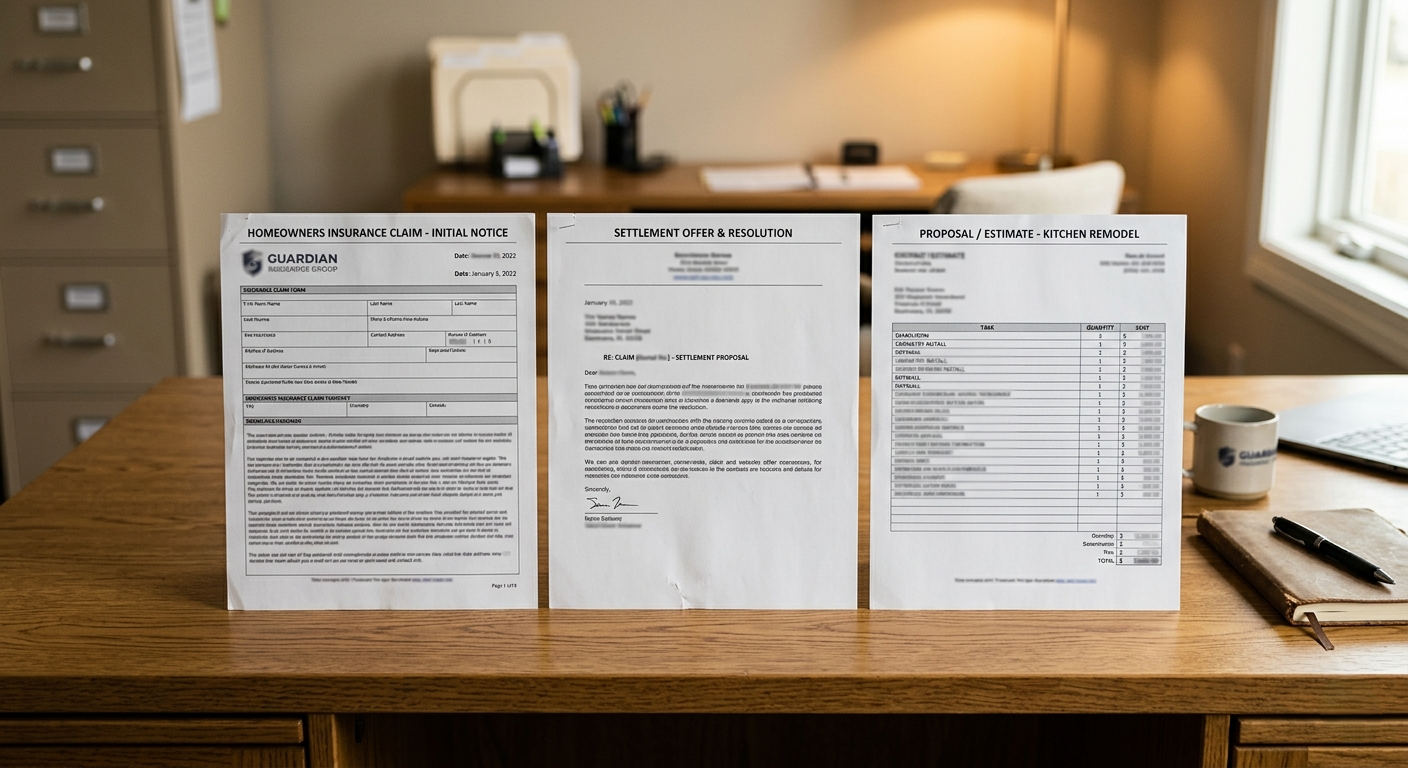
Receiving an insurance settlement that falls short of what you need to rebuild is not a sign that you have been treated unfairly or that your claim has been denied. It is, in fact, the most common experience for Palisades fire rebuild homeowners. What matters is knowing what to do next.
The most common reason initial settlements fall short is that the adjuster's estimate is based on software-generated cost data — national or regional averages that do not account for the specific labor market conditions, WUI compliance requirements, hillside foundation costs, and post-fire demand surge that define construction in Pacific Palisades today.
A settlement generated from cost-estimating software and a settlement generated from actual contractor bids in the current Palisades market can differ by $200,000–$500,000 on a full rebuild. The supplemental claims process exists precisely to bridge this gap.
First Steps When the Offer Is Insufficient
Do not reject or accept the initial offer immediately. The correct first step is to document the gap between what was offered and what the rebuild actually costs — and then request a supplemental claim review.
- 1
Get a detailed contractor estimate based on current market conditions. Not a ballpark — a line-item estimate that matches the structure of your adjuster's scope of loss. Your contractor should prepare this specifically for insurance purposes.
- 2
Compare line by line. Identify specifically where the adjuster's estimate and the contractor's estimate diverge. Is it labor rates? Material costs? WUI compliance items that were excluded? Knowing exactly where the gap is allows you to contest it specifically.
- 3
Request a supplemental claim review in writing. Reference the specific line items where your contractor's actual costs exceed the adjuster's estimate. Provide the contractor's estimate as supporting documentation.
- 4
Do not begin construction before the supplemental is resolved if you can avoid it. Once construction begins, your negotiating position changes. Some items become harder to document retroactively.
The Most Common Gaps Between Adjuster Estimates and Real Costs
Labor rates: Post-fire demand has pushed Palisades construction labor rates 25–40% above national database averages. Your adjuster's software almost certainly underestimates labor.
WUI compliance costs: Ember-resistant venting, noncombustible cladding, Class A roofing, and fire-resistant glazing add $9,000–$28,000 to a rebuild. These are code-required costs that should be covered under ordinance or law coverage — but are frequently excluded from initial estimates.
Hillside foundation costs: Soils reports, engineered foundations, caissons, and grade beams are standard for Palisades hillside lots. National database estimates for foundation work rarely reflect the actual cost of hillside construction in the Palisades.
Debris removal overages: Some homeowners discovered that the state-funded debris removal program did not remove everything — and additional private removal was required. This is claimable if documented.
Architect and engineering fees: Design, structural engineering, soils engineering, and permit processing fees are legitimate rebuild costs that should be included in your claim. They are frequently underestimated or excluded from initial offers.
"A contractor's itemized estimate formatted to match your adjuster's scope of loss document is the most powerful tool in a supplemental claim. It forces a line-by-line comparison that is very difficult to dismiss."
When to Escalate — and How
If your supplemental claim request is denied or the revised offer remains insufficient after one round, you have several escalation options:
Request a re-inspection with your contractor present. An adjuster who visits the site with an experienced rebuild contractor can be shown — literally — why certain costs are required. This is often more effective than a paper dispute.
Invoke the appraisal process. Most California homeowner policies include an appraisal provision that allows each party to hire an independent appraiser when there is a dispute over the amount of a loss. The two appraisers select an umpire, and any two of the three must agree. This process is formal but avoids litigation.
File a complaint with the California Department of Insurance. CDI regulates insurance companies in California and investigates complaints about claim handling. Filing a complaint sometimes motivates a faster resolution.
Hire a public adjuster. A licensed public adjuster represents your interests in the claim process. They typically charge 10–15% of the settlement but can add significantly more than their fee in supplemental recovery.
Consult an insurance bad faith attorney. If your insurer is acting in bad faith — unreasonably delaying, denying legitimate claims without basis, or misrepresenting your policy — California law provides strong remedies. An attorney consultation is worth pursuing if you believe the denial is unreasonable rather than just disputed.
The Supplemental Claims Timeline
Supplemental claims are not quick — plan for the process to take weeks to months, not days. Here is a realistic timeline:
Week 1–2: Contractor prepares itemized estimate formatted for supplemental claim submission
Week 2–3: Submit supplemental claim in writing with supporting documentation
Week 3–6: Adjuster reviews supplemental, may request site visit or additional documentation
Week 6–10: Revised settlement offer received (if approved)
Week 10+: Escalation process (appraisal, CDI complaint, public adjuster) if needed
Do not wait for the supplemental to be fully resolved before beginning the permit process. Permits and supplemental claims run in parallel — and every week you delay permitting is a week added to your overall rebuild timeline.
Our estimates are line-item detailed, formatted to match adjuster scope documents, and separate WUI compliance costs clearly. Free consultation. CSLB License #982386.